The Alfalah Nursing Hostel presents itself as a dedicated, secure, and gender-segregated accommodation facility specifically for nursing students. With a total of 39 rooms (28 for boys, 11 for girls), it is a purpose-built environment designed to support the demanding academic and practical schedule of nursing education.
Detailed Breakdown by Section
1. Accommodation & Room Allocation
Total Capacity: 39 Rooms.
Boys' Wing: 28 Rooms. This larger wing suggests the hostel may be catering to a higher number of male nursing students, which is a positive step in a field that has been traditionally female-dominated.
Girls' Wing: 11 Rooms. A separate and secure section for female students, ensuring privacy and comfort.
Inferred Room Details (Typical for such hostels):
- Occupancy: Rooms are likely configured as single, double, or triple occupancy. This allows for flexibility in cost and student preference.
- Furnishings: Each room would typically include:
- A bed (with mattress) for each student.
- A study table and chair for each student.
- A dedicated wardrobe or cupboard.
- Possibly a small bookshelf.
- Amenities per Room: Basic amenities like adequate lighting, fans, and electrical sockets for laptops and mobile chargers are standard. Air conditioning might be an optional or standard feature.
2. Common Facilities and Amenities:
While not explicitly stated, a well-run hostel like Alfalah would offer the following common facilities:
- Dining Hall/Mess: A clean and hygienic dining area providing nutritious meals. Meal plans (e.g., 3 meals a day) are typically included in the hostel fees. The menu would be designed to cater to the health and energy needs of students.
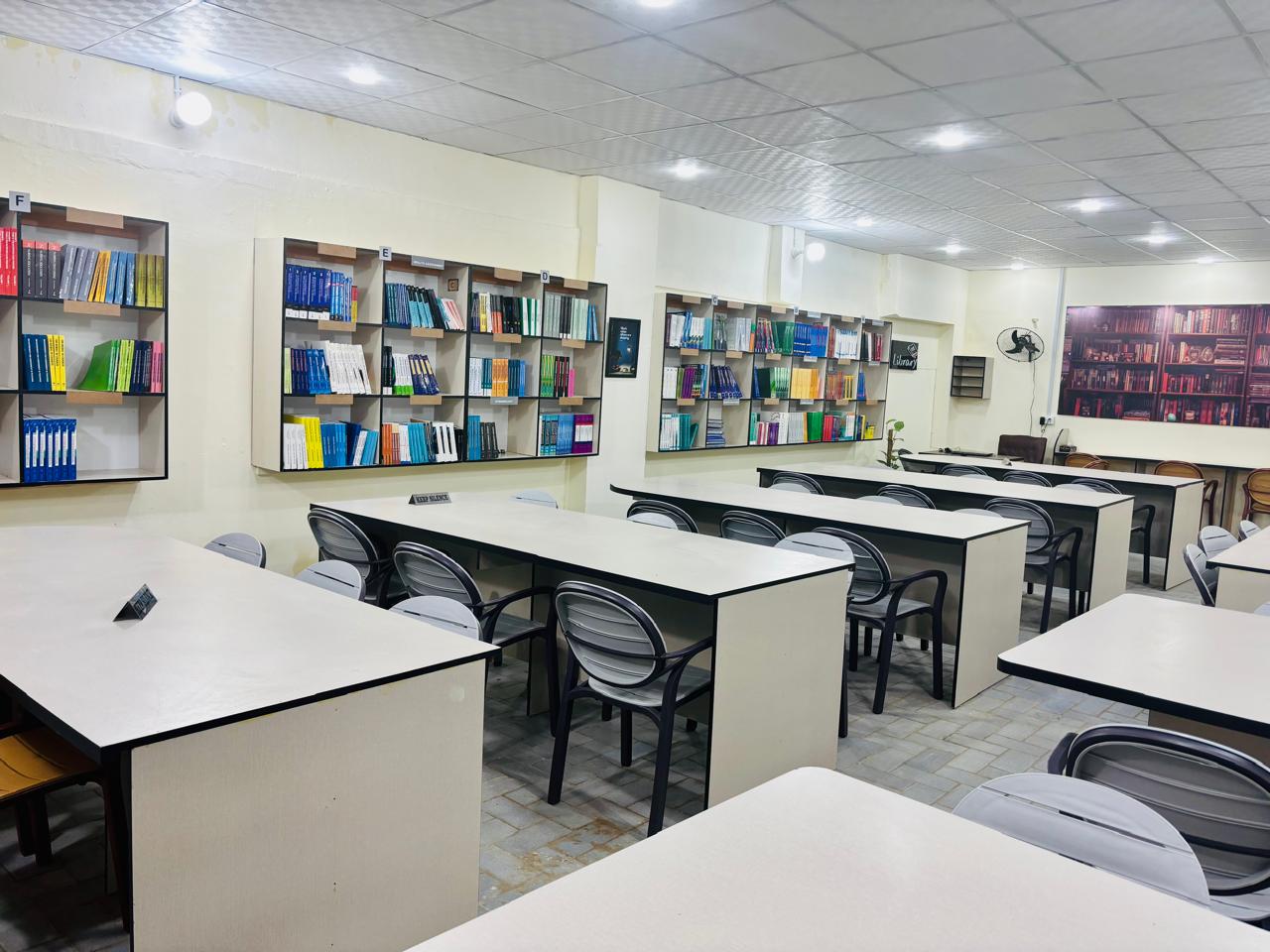
- Study Rooms/Library: A quiet, well-lit common area for group study or individual preparation, crucial for nursing students who have extensive coursework and require a place to focus outside their rooms.
- Recreation Room: A common area with a television, perhaps indoor games like carrom or table tennis, and comfortable seating for students to relax and socialize during their free time.
- Laundry Facilities: Access to washing machines or arrangements for laundry services is a standard and essential feature.
- Wi-Fi Internet: High-speed internet connectivity is almost a necessity today for research, online classes, and submitting assignments.
- Water & Power Supply: 24/7 access to clean drinking water (likely through water purifiers) and an uninterrupted power supply, often backed by generators or inverters.
3. Security and Safety
This is a critical aspect, especially for a hostel accommodating students.
- Gender Segregation: The clear separation of boys' and girls' wings is the first and most important security feature.
- Controlled Access: The hostel likely has a single, monitored entrance with a security guard stationed 24/7. Entry and exit logs are maintained for all residents and visitors.
- CCTV Surveillance: Common areas like corridors, entrances, and the lobby are expected to be under CCTV surveillance for added safety.
- Warden System: A live-in warden (preferably one for each wing) is responsible for overall discipline, student welfare, and managing any emergencies. The warden acts as a point of contact for both students and the administration.
- Curfew: There are likely set timings for students to return to the hostel in the evening, ensuring their safety.
4. Location and Accessibility
- Proximity to College/Hospital: The biggest advantage of a dedicated nursing hostel is that it is almost certainly located very close to the affiliated nursing college and/or teaching hospital. This minimizes commute time and fatigue, which is invaluable for students with long and unpredictable clinical shifts.